Interest Area
Learning
Our Thinking
The future of learning depends on creating adaptive, holistic, and equitable learning systems that evolve alongside society and technology. We support this by advancing learner-centered ecosystems, strengthening computing and data fluency, and fostering community-centered approaches to responsible education technology. Together, these efforts build toward an ecosystem view of future-ready learning environments and experiences—one that is inclusive and evidence-informed, and that equips all learners with the knowledge, agency, and skills to navigate and shape an ever-changing world.
Portfolio Question: How might we build and scale learner-centered ecosystems across schools and communities that incorporate future-ready competencies and the responsible development and use of digital technologies?
Our Hypothesis: We believe education systems will become more learner-centered, equitable, and future-ready when investments strengthen the connective tissue between research, policy, and practice; advance computing education; and support the responsible design, adoption, and governance of educational technology, which produces shared evidence, durable skills, and scalable models that improve outcomes for all learners.
Inquiry Area
Learner-Centered Ecosystems
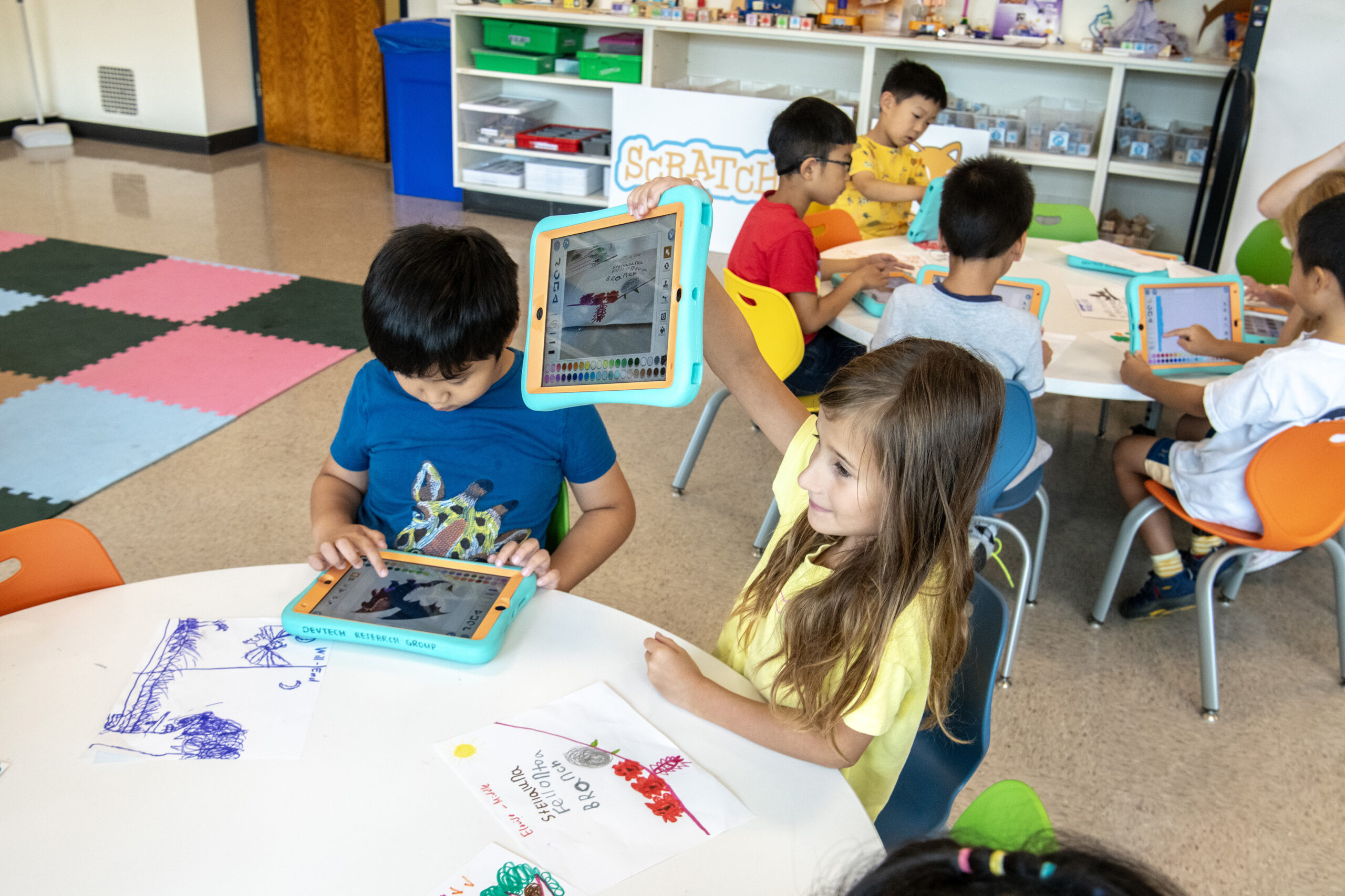
We believe the future of learning depends on connected systems that put learners at the center and are inclusive, flexible, and grounded in shared purpose. These learning ecosystems link students, schools, and communities through the supports and relationships people need to learn throughout their lives. We see learner-centered ecosystems as vital for field alignment—building shared language, identifying common priorities, and encouraging collaboration among educators, community leaders, and policymakers.
Our work in Learner-Centered Ecosystems focuses on supporting ecosystem field-building, scaling research-backed models, reinforcing the infrastructure that enables them to spread, and connecting insights across research, policy, and practice. By strengthening these connections, we aim to create learning environments that give students more agency, improve outcomes, and reduce barriers to opportunity.
Sub-Portfolio Question: What conditions, incentives, and evidence are needed to enable learner-centered ecosystems to align and scale to strengthen the field and improve learning outcomes across diverse contexts?
Inquiry Area
Responsible EdTech
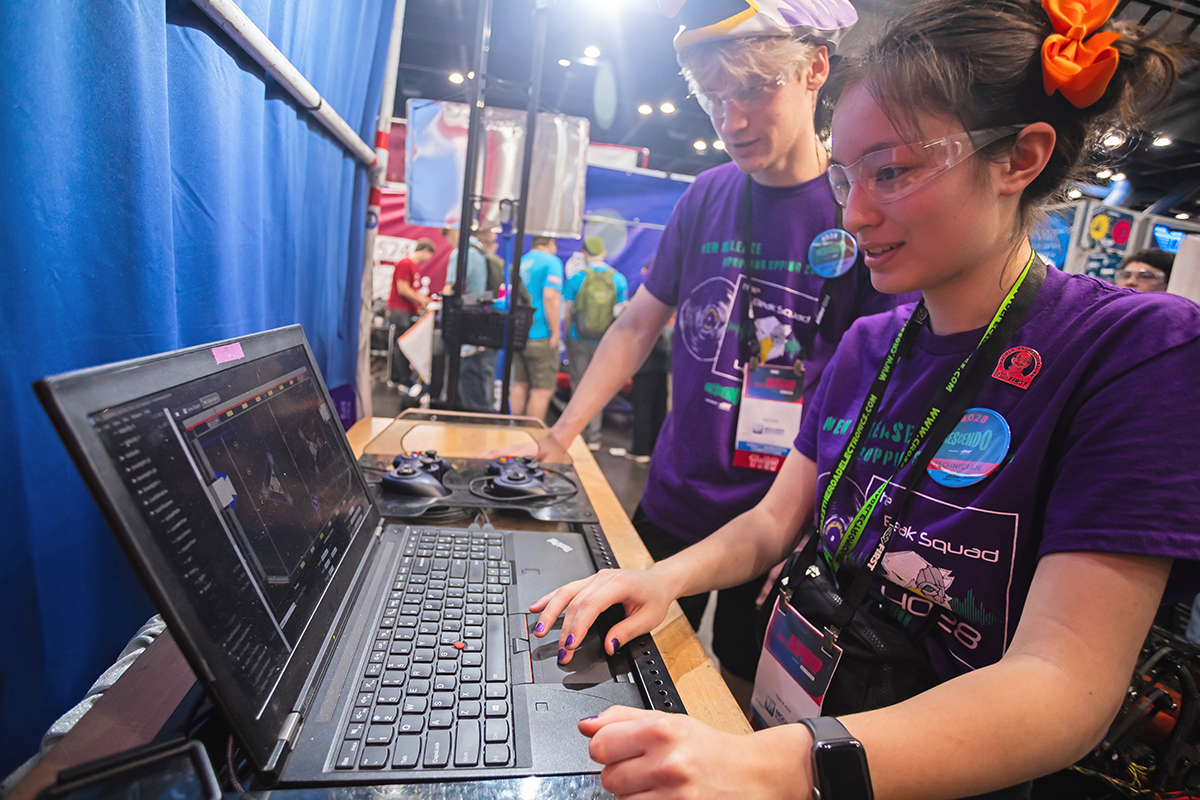
We believe education technology (EdTech), including AI tools, can improve learning, expand opportunities, and strengthen education systems—but only if it is developed and used responsibly. Too often, these tools are introduced without meaningful input from educators, students, or communities, leading to inequitable access and limited impact.
Our work in Responsible EdTech focuses on creating a community-informed, inclusive research and development process that connects evidence to real-world decisions. By highlighting actionable examples and fostering collaboration across schools, districts, developers, and policymakers, we aim to improve learning outcomes and support better technology choices that are guided by evidence, responsive to community needs, and accountable to the goals of education.
Sub-Portfolio Question: What conditions, incentives, and evidence are needed to shift the education technology ecosystem towards responsible research, development, and adoption practices?
Inquiry Area
Computing Education
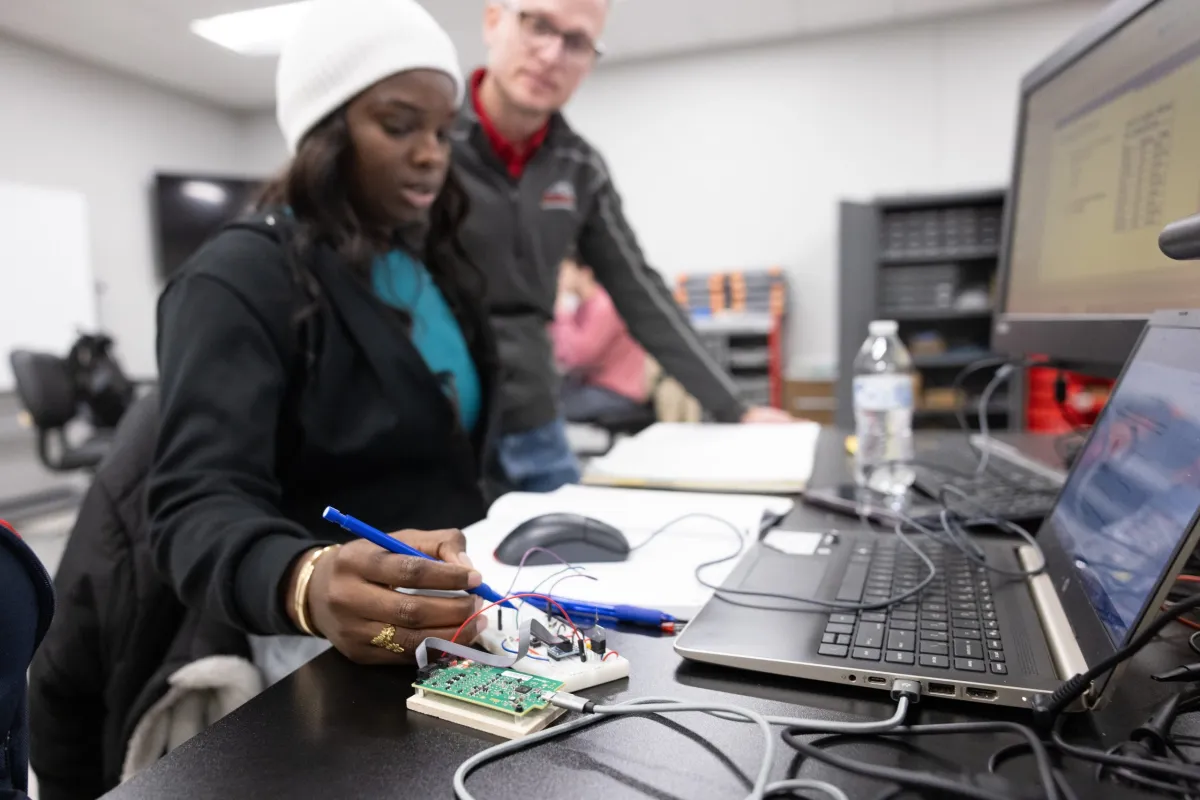
We define computing education as the set of knowledge, skills, and ways of thinking from computer science, data science, computational thinking, and AI literacy that help learners understand, engage with, and shape technology responsibly. As technology transforms nearly every aspect of life, we believe that computing education has become a critical literacy for all students. Yet access remains uneven, and learning opportunities are often fragmented across schools, subjects, and grade levels.
Our work focuses on connecting the institutions and networks that shape computing education—funders, policymakers, educators, and nonprofits—to build shared frameworks, evidence, and resources. By fostering collaboration and coherence, we aim to make computing education rigorous, relevant, and accessible, preparing all learners to thrive in a technology-driven world.
Sub-Portfolio Question: What conditions, incentives, and evidence are needed to equip K-12 education systems to integrate computing education as a core component of future-ready learning?
Highlighted Grantees

Transcend
Transcend is made up of a team of educators, innovators, and changemakers with experience as school and system leaders, working toward a vision where every young person can learn in ways that enable them to thrive in and transform the world. The organization is unified in the mission to support school communities to create and spread extraordinary learning for all.

SETDA
SETDA is the principal association representing U.S. state and territorial educational technology and digital learning leaders. Through a broad array of programs and advocacy, SETDA builds member capacity and engages partners to empower the education community in leveraging technology for learning, teaching, and school operations.
Institute for Advancing Computing Education
At the Institute for Advancing Computing Education (IACE, pronounced “eye-ACE”), the organization advances PreK–12 computer science (CS) education for all students. Formerly known as CSEdResearch.org, IACE is an independent, non-partisan, non-profit research institute that develops and promotes evidence-based approaches to ensure every child has access to CS education. Its work prioritizes inclusion for students with disabilities, those from rural communities, girls, and students from lower-income or historically underrepresented cultural backgrounds in technology, including Indigenous, Black, and Hispanic students.
Learning Insights
Big Ideas | Reflections
Don’t Count Out Computer Science Just Yet
Your average computer science major seems to now be the poster child for Gen Z college grads unable to secure…

Reflections
SXSW 2026: What We Built and What We Learned
SXSW is where we take the temperature of what’s happening in education and innovation and this year, the signal was…

Big Ideas | Reflections
Rural Consultation Series: Rural Innovation Is Happening. Why Don’t We Hear More About It?
In our work—with grantees, through firsthand observation, and in the stories we intentionally seek—we’ve witnessed the power of technological innovation…